
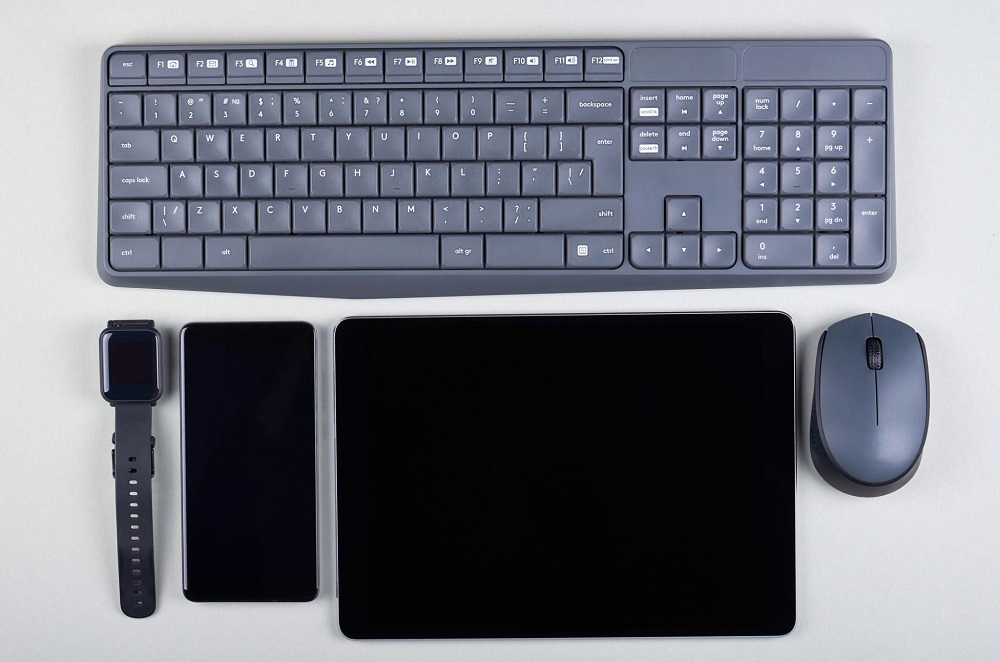
Introduction to Gadgets
A gadget is a small technological device designed to perform a specific function efficiently and conveniently. Gadgets have become essential tools in everyday life because they simplify tasks, improve communication, support productivity, and enhance entertainment experiences. From smartphones and smartwatches to wireless headphones and smart home assistants, gadgets influence how people work, learn, travel, and interact with their surroundings.
The rapid advancement of digital technology has expanded the role of gadgets far beyond simple convenience. Today, gadgets support education, healthcare, transportation, business operations, and personal well being. Understanding gadgets and their applications helps individuals use technology more effectively in both personal and professional environments.
What Is a Gadget
A gadget is typically a compact electronic device that performs a specialized function using modern technology. Unlike traditional machines or tools, gadgets are designed to be portable, user friendly, and efficient.
Gadgets often include features such as
- Digital processing capability
- Wireless connectivity
- Rechargeable power systems
- Interactive user interfaces
- Integration with other devices
These characteristics make gadgets flexible tools that adapt easily to different user needs and environments.
Evolution of Gadgets Over Time
The concept of gadgets has evolved significantly over the past few decades. Early gadgets were simple mechanical tools designed to perform limited functions. With the development of electronics and computing technologies, gadgets became more sophisticated and versatile.
Major stages in gadget development include
- Mechanical handheld tools with basic functions
- Electronic devices with battery powered operation
- Digital gadgets with processing capabilities
- Smart connected gadgets with internet access
- Intelligent devices supported by artificial intelligence
Modern gadgets are now capable of performing multiple tasks simultaneously while remaining compact and portable.
Types of Gadgets
Gadgets are available in many categories depending on their purpose and functionality. Each category supports different aspects of daily life.
Communication Gadgets
Communication gadgets help people stay connected across distances using voice, text, and video technologies.
Examples include
- Smartphones
- Tablets
- Wireless headsets
- Video calling devices
These gadgets enable instant communication regardless of geographic location.
Entertainment Gadgets
Entertainment gadgets provide access to music, movies, games, and multimedia experiences.
Common entertainment gadgets include
- Gaming consoles
- Streaming devices
- Portable speakers
- Virtual reality headsets
These devices enhance relaxation and recreational activities.
Productivity Gadgets
Productivity gadgets help users manage tasks efficiently in academic and professional environments.
Examples include
- Laptops
- Digital note taking devices
- Smart pens
- Portable storage devices
These tools support better organization and time management.
Health and Fitness Gadgets
Health related gadgets help individuals monitor physical activity and wellness indicators.
Examples include
- Fitness trackers
- Smartwatches
- Heart rate monitoring devices
- Sleep tracking gadgets
These gadgets support healthier lifestyles through real time monitoring and feedback.
Smart Home Gadgets
Smart home gadgets automate household tasks and improve convenience through connected technologies.
Examples include
- Smart lighting systems
- Digital assistants
- Smart thermostats
- Security monitoring cameras
These devices allow users to control home environments remotely and efficiently.
Key Features of Modern Gadgets
Modern gadgets include advanced features that improve usability and performance.
Important features commonly found in gadgets include
- Wireless connectivity through Bluetooth and internet
- Touchscreen interfaces for easy interaction
- Compact and portable designs
- Rechargeable battery systems
- Cloud synchronization capabilities
These features allow gadgets to function seamlessly across multiple environments.
Importance of Gadgets in Daily Life
Gadgets play a vital role in simplifying everyday activities and improving productivity. Their versatility makes them valuable tools for both personal and professional purposes.
Major benefits of gadgets include
- Faster communication between individuals
- Improved access to information resources
- Efficient task management support
- Enhanced entertainment experiences
- Convenient health monitoring solutions
As technology continues to evolve, gadgets will become even more integrated into daily routines.
Role of Gadgets in Education
Educational environments increasingly rely on gadgets to improve teaching and learning experiences. Digital devices help students access study materials quickly and interact with educational content more effectively.
Educational benefits of gadgets include
- Access to digital textbooks and research materials
- Support for online learning platforms
- Interactive classroom presentations
- Real time collaboration with teachers and classmates
- Improved organization of assignments and schedules
These advantages make gadgets essential tools in modern education systems.
Role of Gadgets in Business and Workplace Productivity
Organizations use gadgets to improve communication, coordination, and workflow efficiency. Portable devices allow employees to perform tasks from different locations without interruption.
Business related uses of gadgets include
- Managing emails and communication channels
- Accessing cloud based documents
- Conducting virtual meetings
- Monitoring project progress
- Supporting remote work environments
These capabilities increase flexibility and productivity in modern workplaces.
Gadgets Supporting Healthcare Services
Healthcare professionals and individuals use gadgets to monitor health conditions and improve treatment efficiency. Portable medical devices allow continuous observation of important health indicators.
Healthcare applications of gadgets include
- Monitoring heart rate and physical activity levels
- Tracking sleep patterns
- Supporting telemedicine consultations
- Recording patient health data
- Assisting emergency response communication
These innovations improve patient care and healthcare accessibility.
Advantages of Using Gadgets
Gadgets provide several advantages that enhance quality of life across different areas.
Important advantages include
- Time saving through automation of routine tasks
- Improved communication across distances
- Enhanced learning opportunities
- Greater access to entertainment resources
- Support for healthier lifestyle choices
- Convenient information storage and sharing
These benefits explain the increasing popularity of gadgets worldwide.
Challenges Associated With Gadgets
Despite their advantages, gadgets also present certain challenges that users must consider carefully.
Common challenges include
- Dependence on battery power
- Risk of data privacy concerns
- Potential distraction from important tasks
- Need for regular software updates
- Compatibility limitations between devices
Understanding these challenges helps users make responsible decisions when adopting new gadgets.
Future Trends in Gadget Technology
Technological innovation continues to shape the future of gadgets. Emerging technologies are making gadgets more intelligent and efficient than ever before.
Important trends influencing gadget development include
- Integration of artificial intelligence features
- Expansion of wearable technology capabilities
- Growth of smart home automation systems
- Improved battery performance and charging speed
- Enhanced voice recognition technologies
These developments will further increase the usefulness of gadgets across industries and households.
How Gadgets Influence Modern Lifestyle
Gadgets have changed how people communicate, travel, learn, and work. They provide immediate access to information and services that were once difficult to obtain quickly.
Lifestyle improvements supported by gadgets include
- Real time navigation assistance during travel
- Digital financial transaction management
- Online learning accessibility
- Remote workplace coordination
- Instant entertainment availability
These capabilities demonstrate how gadgets continue to transform everyday experiences.
Conclusion
Gadgets have become essential components of modern life because they support communication, education, healthcare, business productivity, and entertainment. Their compact design and advanced functionality allow users to perform complex tasks efficiently from almost any location. As technology continues to advance, gadgets will become more intelligent, connected, and adaptable to changing user needs. Understanding their functions and benefits helps individuals make better use of these powerful technological tools in daily activities.
Frequently Asked Questions
What factors should be considered before purchasing a gadget
Important considerations include device compatibility, battery life, performance capability, storage capacity, and long term software support.
How do gadgets connect with each other in smart environments
Many gadgets connect through wireless technologies such as Bluetooth and internet based cloud platforms that allow synchronized operation across multiple devices.
Are gadgets suitable for older adults who are not familiar with technology
Many modern gadgets include simple interfaces and accessibility features that make them suitable for users with limited technical experience.
How often should gadgets be updated for security purposes
Regular software updates should be installed whenever available to maintain device security and ensure proper functionality.
Can gadgets improve workplace collaboration among teams
Yes gadgets support collaboration through communication applications, shared document platforms, and virtual meeting tools that connect team members efficiently.
What is the role of wearable gadgets in personal safety monitoring
Wearable gadgets can track location information, detect unusual activity patterns, and send alerts during emergencies to improve personal safety.
How do gadgets contribute to environmental sustainability efforts
Some gadgets support sustainability by reducing paper usage, improving energy efficiency, and encouraging digital alternatives to traditional resource intensive processes.
