
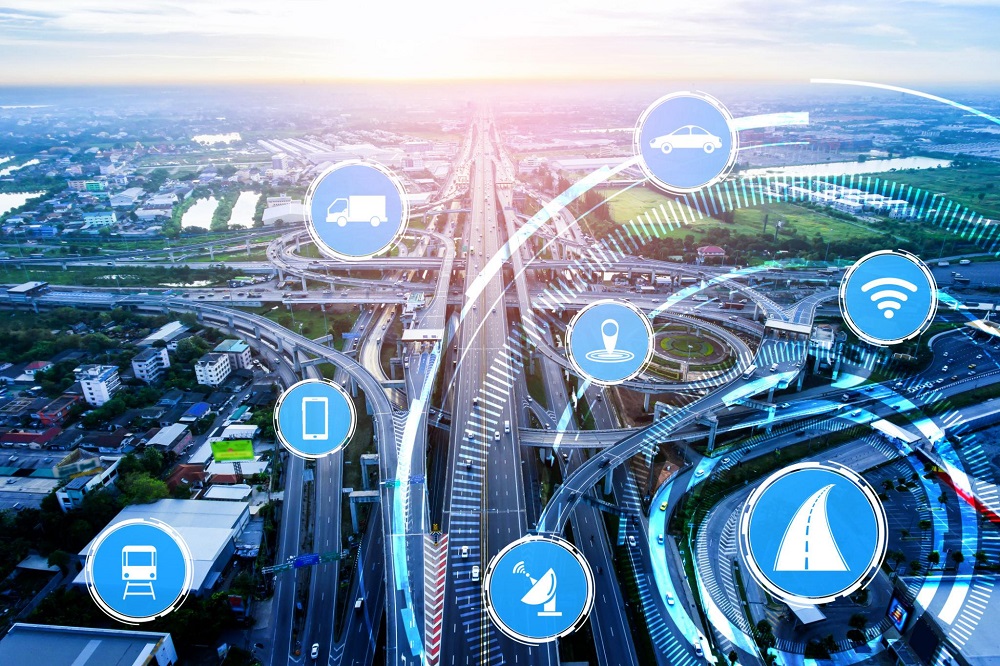
Introduction to Smart Transportation Applications
Smart transportation and navigation applications have transformed how people travel, manage logistics, and plan routes in modern cities. These applications combine digital technologies such as global positioning systems, real time data analytics, artificial intelligence, and cloud computing to improve transportation efficiency, safety, and accessibility.
As cities grow and mobility demands increase, transportation systems face pressure from congestion, environmental concerns, and infrastructure limitations. Smart transportation applications address these challenges by providing users with accurate navigation support, predictive traffic insights, and optimized travel planning tools.
Today, individuals, businesses, and governments rely on transportation applications to create more efficient and sustainable mobility systems.
Understanding Smart Transportation and Navigation Applications
Smart transportation and navigation applications are software platforms designed to assist users in planning routes, monitoring traffic conditions, tracking vehicles, and managing transportation services using digital technologies.
These applications typically operate through smartphones, vehicle dashboards, or cloud based management systems. They integrate multiple data sources such as satellite positioning, road sensors, weather conditions, and traffic updates to provide reliable navigation guidance.
Key purposes of these applications include:
- Improving route accuracy
- Reducing travel time
- Enhancing passenger safety
- Supporting environmental sustainability
- Optimizing transportation infrastructure usage
Their growing adoption reflects the shift toward intelligent mobility systems worldwide.
Evolution of Navigation Technologies
Navigation systems have evolved significantly over the past few decades. Early navigation methods relied on printed maps and manual directions, which often led to inefficiencies and delays.
With the introduction of satellite based positioning systems, digital mapping became more accurate and accessible. Later developments introduced mobile navigation applications capable of providing real time traffic alerts and voice guided directions.
Today’s navigation applications combine advanced technologies such as:
- Artificial intelligence driven prediction models
- Cloud based traffic monitoring systems
- Real time route optimization
- Integrated public transportation updates
These improvements allow users to make informed travel decisions quickly and efficiently.
Key Technologies Behind Smart Transportation Applications
Several advanced technologies support the functionality of smart transportation and navigation applications.
Global Positioning System Technology
Global positioning systems enable precise location tracking by communicating with satellites orbiting the Earth. Navigation applications rely on this technology to determine user positions and provide accurate route guidance.
GPS technology supports:
- Turn by turn navigation
- Location sharing services
- Emergency assistance tracking
- Vehicle fleet monitoring
Its reliability makes it a fundamental component of modern navigation applications.
Real Time Traffic Data Integration
Real time traffic monitoring systems collect information from road sensors, cameras, and user devices. Applications process this data instantly to recommend faster and safer travel routes.
This capability helps users avoid:
- Traffic congestion
- Road closures
- Accidents
- Construction zones
Real time updates improve travel efficiency and reduce unnecessary delays.
Artificial Intelligence and Predictive Analytics
Artificial intelligence enhances navigation systems by analyzing travel patterns and predicting traffic conditions before they occur. These predictions allow users to adjust routes proactively rather than reactively.
AI powered applications can:
- Estimate arrival times accurately
- Suggest alternate routes automatically
- Learn user travel preferences
- Identify congestion patterns
These features improve the overall reliability of transportation planning.
Cloud Computing Support
Cloud platforms allow navigation applications to store and process large amounts of transportation data efficiently. Cloud connectivity ensures that users receive continuous updates regardless of their location.
This technology supports scalable and flexible transportation management systems across cities and regions.
Role of Smart Transportation Applications in Urban Mobility
Urban environments face increasing transportation challenges due to population growth and expanding infrastructure demands. Smart transportation applications provide practical solutions for improving city mobility systems.
Major contributions include:
- Reducing travel time across busy routes
- Supporting better traffic signal coordination
- Improving public transportation accessibility
- Enhancing emergency response efficiency
- Promoting eco friendly transportation practices
Cities implementing smart transportation applications often experience improved mobility performance and reduced congestion levels.
Applications Supporting Public Transportation Systems
Smart navigation applications improve public transportation efficiency by offering real time updates and route planning assistance.
These applications help passengers:
- Track buses and trains accurately
- Access schedule updates instantly
- Plan multimodal journeys efficiently
- Reduce waiting times at stations
Transit authorities also benefit from data insights that support better service planning and infrastructure management.
Applications Enhancing Road Safety
Safety remains a primary concern in transportation systems. Smart navigation applications improve road safety by providing timely alerts and intelligent monitoring tools.
Important safety features include:
- Collision warning notifications
- Speed monitoring assistance
- Hazard detection alerts
- Weather condition warnings
- Emergency route optimization
These capabilities reduce accident risks and support safer travel experiences for drivers and passengers.
Applications Supporting Logistics and Fleet Management
Businesses rely heavily on smart transportation applications to manage delivery operations and fleet movements efficiently.
Fleet management applications support:
- Vehicle tracking in real time
- Fuel consumption monitoring
- Route optimization for deliveries
- Driver performance analysis
- Maintenance scheduling alerts
These functions improve operational efficiency and reduce transportation costs for organizations.
Environmental Benefits of Smart Transportation Applications
Transportation systems contribute significantly to environmental pollution. Smart transportation applications help reduce environmental impact by optimizing travel efficiency and encouraging sustainable mobility choices.
Environmental advantages include:
- Reduced fuel consumption through optimized routes
- Lower vehicle emissions
- Support for shared transportation services
- Promotion of public transit usage
- Encouragement of cycling and walking routes
These improvements contribute to cleaner and more sustainable urban environments.
Role in Emergency Response and Disaster Management
Navigation applications play a critical role during emergencies by guiding rescue teams and emergency vehicles through the fastest available routes.
Emergency management benefits include:
- Faster ambulance navigation
- Efficient disaster evacuation planning
- Real time coordination among response teams
- Improved communication between agencies
These capabilities strengthen disaster preparedness and response effectiveness.
Challenges Facing Smart Transportation Applications
Despite their advantages, smart transportation applications face several challenges that affect performance and adoption.
Common challenges include:
- Data privacy concerns
- Dependence on internet connectivity
- Infrastructure compatibility limitations
- Cybersecurity risks
- High development and maintenance costs
Addressing these challenges is essential for ensuring reliable and secure transportation systems.
Future Trends in Smart Transportation Applications
Smart transportation technologies continue to evolve as new innovations reshape mobility systems worldwide.
Emerging developments include:
- Integration with autonomous vehicles
- Expansion of connected vehicle communication networks
- Increased adoption of smart traffic signal systems
- Growth of shared mobility platforms
- Enhanced predictive traffic analytics capabilities
These advancements will further improve transportation efficiency and user convenience in the coming years.
Conclusion
Smart transportation and navigation applications have become essential components of modern mobility systems. They support efficient travel planning, enhance road safety, optimize logistics operations, and promote environmentally responsible transportation practices. By integrating advanced technologies such as artificial intelligence, cloud computing, and satellite positioning systems, these applications help cities and organizations manage transportation challenges effectively. As innovation continues to accelerate, smart transportation applications will play an increasingly important role in shaping the future of urban mobility.
Frequently Asked Questions
How do navigation applications calculate estimated arrival time accurately
Navigation applications calculate estimated arrival time using satellite positioning data, traffic conditions, road speed limits, and historical travel patterns processed through predictive algorithms.
Can smart transportation applications work inside tunnels or underground areas
Some applications temporarily lose satellite signals underground but maintain navigation continuity using stored maps, motion sensors, and alternative positioning technologies.
What role do smart transportation applications play in rural mobility improvement
These applications help rural users access better route information, identify transportation services, and connect with emergency assistance more efficiently despite limited infrastructure.
Are smart transportation applications useful for cyclists and pedestrians
Yes, many navigation applications provide dedicated routes for cyclists and pedestrians that improve safety and reduce travel distance compared with vehicle based routes.
How do transportation applications support ride sharing services
Transportation applications connect passengers with drivers, optimize pickup routes, and manage trip coordination through real time location tracking systems.
Do smart transportation applications require constant software updates
Regular updates improve application accuracy, security, and compatibility with new transportation infrastructure technologies and mapping data.
How do governments benefit from transportation navigation data insights
Governments use transportation data insights to improve infrastructure planning, manage congestion patterns, and develop policies that enhance urban mobility efficiency.