
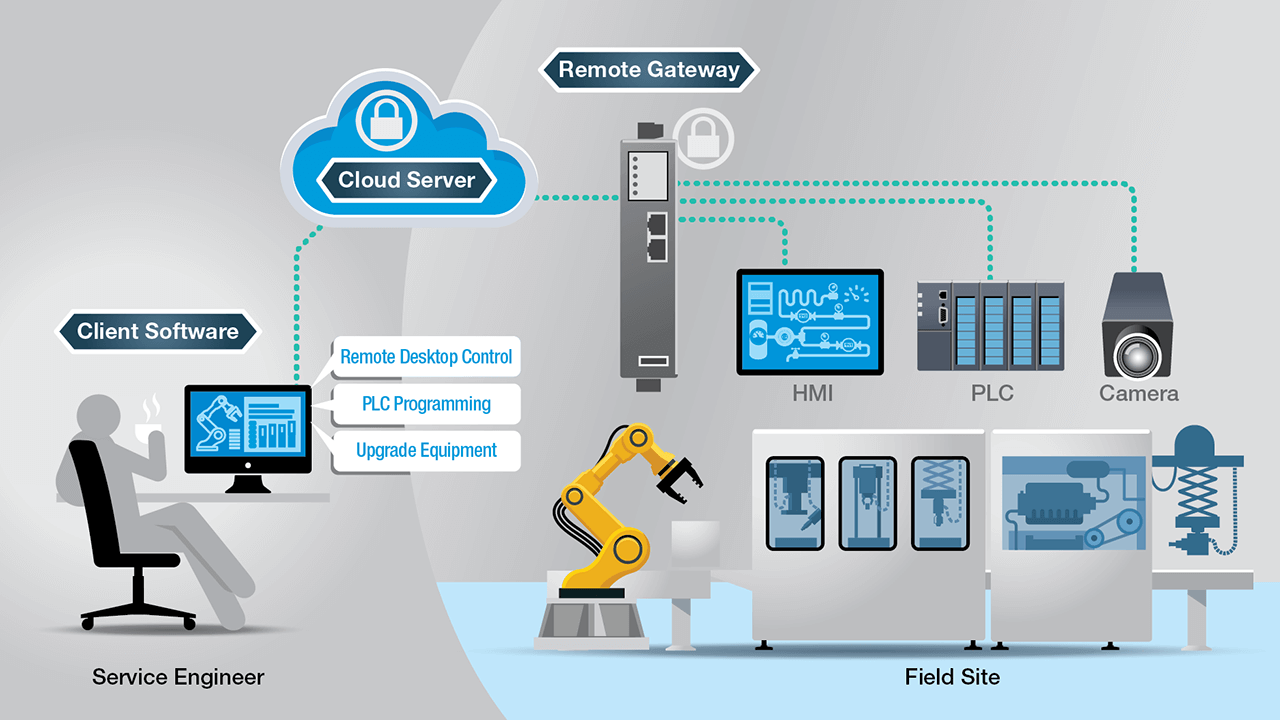
As remote work becomes the standard across industries, organizations must build robust digital protections to support off-site teams. IT services play a critical role in securing remote environments by preventing cyber threats, enabling safe communication, and preserving business continuity. Modern IT support structures combine technology, strategy, and user training to create a resilient remote work ecosystem.
Modern yachts rely on interconnected systems that require ongoing attention, and Yacht IT Support ensures these technologies perform efficiently. By providing regular monitoring and rapid troubleshooting, IT professionals minimize downtime and help maintain dependable access to essential digital tools and services.
The Growing Need for Remote Work Security
Remote setups often rely on personal devices, home networks, and cloud-based applications—each introducing unique vulnerabilities. Cybercriminals target these weak points, making companies more susceptible to:
-
Phishing attempts
-
Malware and ransomware
-
Data interception
-
Unauthorized account access
-
Insider threats
Strong IT services are essential for closing these gaps and protecting both users and organizational data.
Core Ways IT Services Improve Remote Work Security
1. Secure Access and Identity Management
Controlling who accesses company systems is one of the most important security elements. IT services strengthen authentication using:
-
Multi-factor authentication (MFA)
-
Single sign-on (SSO) for easier, more secure user login
-
Role-based access controls (RBAC) to reduce unnecessary permissions
-
Zero Trust frameworks that verify identity continuously
These measures ensure that only authorized users can view or modify sensitive information.
2. Advanced Endpoint Protection
Remote devices—from laptops to mobile phones—serve as entry points for cyber threats. IT teams deploy advanced endpoint tools such as:
-
Anti-malware and anti-ransomware software
-
Device encryption
-
Remote wipe capabilities
-
Continuous vulnerability scanning
With these safeguards, compromised devices can be quickly isolated to prevent organizational harm.
3. Virtual Private Networks (VPNs)
VPNs create encrypted tunnels that protect data as employees connect from various locations. Skilled IT service providers:
-
Configure secure VPN protocols
-
Enforce strong encryption standards
-
Monitor user activity for suspicious behavior
-
Ensure stable connections for productivity
This keeps data safe even on public or home Wi-Fi networks.
4. Cloud Security Management
Cloud platforms have become essential for collaboration, but they must be carefully managed. IT services safeguard cloud environments by:
-
Configuring secure file-sharing controls
-
Setting automated backups to protect from loss
-
Monitoring cloud applications for unusual activity
-
Implementing data loss prevention (DLP) tools
Effective management ensures remote teams can work efficiently without exposing the business to avoidable risks.
5. Security Awareness and Training
Human error remains the leading cause of cyber incidents. IT services reduce this risk by offering:
-
Phishing simulations
-
Regular security briefings
-
Policy compliance training
-
Clear guidelines for password hygiene and device usage
A well-informed workforce is a powerful defense against attackers.
6. 24/7 Monitoring and Incident Response
Continuous monitoring allows IT teams to detect and respond to threats in real time. Key components include:
-
Security Operations Center (SOC) services
-
Real-time alerts and threat analytics
-
Rapid incident containment and remediation
-
Post-incident reviews to prevent future breaches
Round-the-clock oversight ensures small issues don’t escalate into major disruptions.
7. Data Backup and Disaster Recovery Solutions
Remote operations increase the chance of data loss caused by outages, mistakes, or malicious attacks. IT services protect organizations through:
-
Automated cloud and off-site backups
-
Business continuity planning
-
Disaster recovery testing
-
Redundant storage solutions
These strategies keep operations running smoothly even during unexpected events.
How IT Services Support Regulatory Compliance
Many industries face strict security and privacy regulations. IT experts help organizations maintain compliance by:
-
Implementing audit-ready reporting tools
-
Enforcing access and data handling policies
-
Monitoring compliance across cloud and on-prem systems
-
Updating systems based on new legal requirements
This reduces the risk of fines, legal issues, and reputational damage.
The Future of Remote Work Security
Looking forward, IT security services will increasingly rely on AI-driven threat detection, biometric authentication, and automation for faster responses. As remote and hybrid models continue to grow, investing in strong IT infrastructure is no longer optional—it’s essential for long-term resilience.
Frequently Asked Questions (FAQ)
1. Why are remote workers more vulnerable to cyber threats?
They often rely on unsecured networks and personal devices that lack enterprise-level protection, making them easier targets.
2. How does MFA improve security for remote teams?
MFA adds extra verification layers, reducing the likelihood of unauthorized access even if passwords are compromised.
3. What type of VPN is best for business use?
Organizations typically benefit from IPSec or SSL VPNs, which offer advanced encryption and compatibility with various devices.
4. Do small businesses need the same remote security tools as large companies?
Yes—while scaled differently, small businesses face similar threats and require foundational protections such as firewalls, backups, and training.
5. How often should remote employees undergo security training?
At minimum, training should occur annually, but quarterly refreshers are ideal for maintaining strong awareness.
6. Can cloud storage be safer than physical servers?
When properly configured and monitored, reputable cloud services often provide higher security than many on-premise setups.
7. What is the role of IT consulting in remote security?
Consultants assess risks, develop customized strategies, and guide organizations in deploying secure systems tailored to remote workflows.